Climbing the Tower: Episode 12
On the wings...of...an Urek...
Originally published in “The Webcomics Weekly #124: Kona Crush3d (2/16/2021 Edition)” at Multiversity Comics.
Tower of God
Tower of God: Season 1, ep. 67-74
Episode 12 - “Underwater Hunt, Part 2”
Updates: Mondays
By SIU
What do you desire? Money and wealth? Honor and pride? Authority and power? Revenge? Or something that transcends them all? Whatever you desire—it can be yours if you climb the tower.
Bam & Rachel, ostensibly the two most important characters in “Tower of God,” get surprisingly little to do throughout both parts of “Underwater Hunt” and its equivalent chapters. While we do get more screen time for the two of them in “Part 2,” they have almost zero agency until the end (I’ll get to that moment a bit later.) That said, “Tower of God” does give their conversations a bit more substance than Tower of God.
As I’ve said before, the comic is able to pack in more conversation since it doesn’t have to consider delivery time. Even so, the show makes deliberate choices that flattened their scenes. In “Tower of God,” while it’s quite noticeable that the two of them are doing bupkis for a trial technically all for them, the conversation has more motion to it. It’s less reserved than Tower of God, which is usually a point in favor of the show but in this case, it adds that boring factor to the scene.
There is a tension being built up in the comic beneath Rachel’s questions and Bam’s answers. We learn more about the two here and I cannot fathom why that wasn’t preserved when transferring over, when previous episodes have emphasized Rachel’s loneliness and jealousy and insecurities far better than the comic did.
Bam, too, is better expressed in “Tower of God,” as we get a gauge for how he’s grown, what he’s lost, and crucially, how he feels about it all. He’s still deeply indebted to Rachel and clearly still acting for the imagined version of her in his head, but he’s also moved beyond needing just her. He has others he can lean on. Rachel sees this and struggles, putting Bam down to hide her fear over the fraying connection. It is also possible to read her apologizes as her being sorry she held, and is holding, him back. This tracks with her previous comments and sort of tracks with her actions, though her actions make her torment seem like it’s about something else.
We’ll come back to that in a minute. First, let me highlight a few other changes.
On the whole, I think “Underwater Hunt, Part 2” does its fight scenes much better than “Tower of God,” especially the one with The Bull & Bam, except for one regard: it falls short in creating the emotional stakes beneath the fight.
Because SIU tends to over-explain rather than under, we have a better sense of who these characters are in a larger sense and what motivates them. Much of this has to be gleaned from glances and guarded sentences in Tower of God, an approach I prefer most of the time, but in the case of the fight of Ren vs Endorsi, Anaak and Yuri, the lack of context and concrete, worldly details harms the fight, making it feel disjointed despite being impactful visually. Kevin Penkin needs a lot of credit here again because his score is the only reason I was able to stay invested in the twists of that fight.
It’s clear that Tower of God's adaptation philosophy and choices actively undermined this episode’s events. While I think all the fussing over Baangs and whatnot or the complex minutia of certain tests is a waste of page space, the reasons why Ren’s presence is so fraught, what he is and is not allowed to do under the Tower’s rules, and what his ultimate goals are, are important to make clear. “Tower of God” does this while Tower of God leaves it open, and in doing so leaves the audience confused and, when they’re not, the actions feel hollow because there isn’t that emotional connection.
For example: when Ren drops the detail that taking out Endorsi means there’ll be one less competitor for the Bia family’s princesses in the comic, it puts the “he planned it this way” line from the show into context. It makes it more personal via specifics rather than asking the audience to make general inferences that might do the job but not as effectively. The assumption I had while watching the episode was that Ren wanted to capture and take out Endorsi and manipulated the situation to make it that way, knowing her newfound allegiance to Anaak, but the why of it all was lost on me. I couldn’t be shocked or scared or full of despair because it held no purchase; I could be worried for Endorsi since the animators did a great job of conveying the depths of despair she was now feeling, but the stakes didn’t feel much different (this is in both cases) and the twist doesn’t work if I don’t have the context for why now is different than before.
There is also a scene with Endorsi & Bam that’s dropped. I liked the scene, and I’d have liked to see it preserved. Removing it places the emphasis on Anaak & Endorsi’s bond rather than on anything Bam does, which is a great strength of the show but unfortunately undermines Bam’s centrality as a character. Without moments like these, Bam comes across as far more empty than he should be, which is a criticism leveled at the show that I think is sustained because he really isn’t an interesting protagonist in the first season of the show OR the comic; it’s just that the comic has enough additional scenes to properly show his importance to the whole cast and give him a slightly deeper well of emotions and thought.
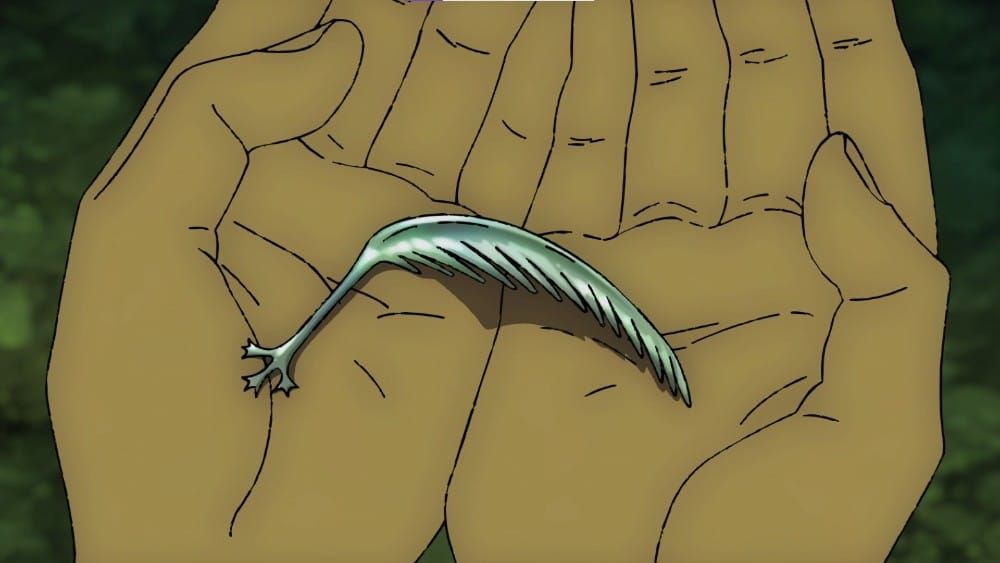
All this applies to Yuri Jahad as well. I’ve questioned before why her scenes keep popping up as reminders that she’s there but not doing much and that’s basically all set-up for her big reveal here. I like the over-dramatic reveal in “Tower of God” more but it’s more fitting that the show gets a more subdued, cooly sinister entrance. That said, because Tower of God cut out almost all explanation of or mentions of Urek Mazino, we have to cut that from the ending of the fight, which is MADDENING knowing that one line could have provided a much better season 2 hook than a mysterious symbol and a “tell him to meet me on the 77th floor.”
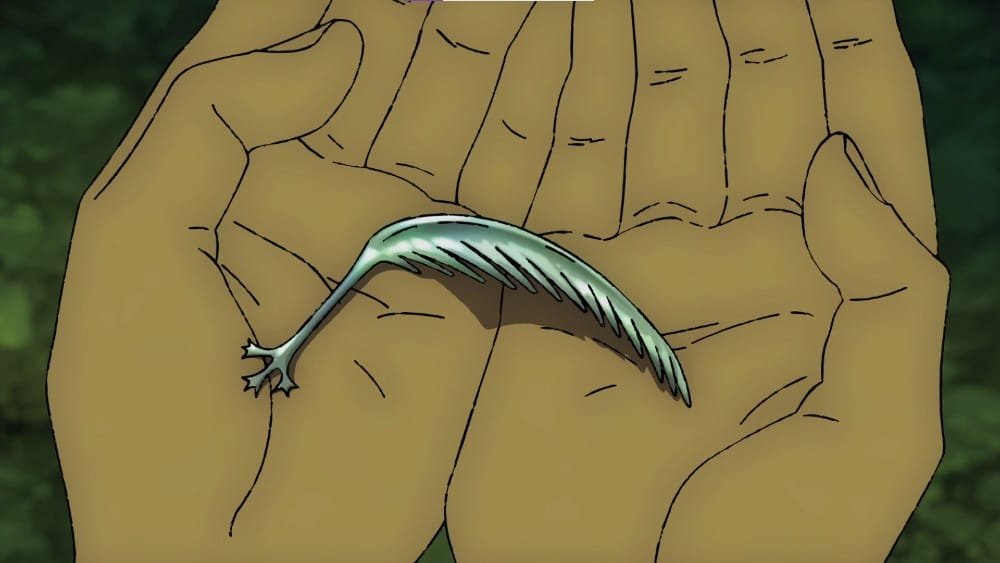
We’ve seen the symbol before on Urek’s back so I guess they thought it wasn’t important to make obvious but I think this is one place where adding a few more words would have been acceptable. It would also make the scene between Khun and the other Khun family member connected in Tower of God rather than a bit of a confusing mess. The change from it all taking place in his lighthouse and Khun being shocked and confused was a good change though, more in line with Khun the schemer. That entire segment is different in both, owing to the dropping of characters for the show, as well as the more consistent characters.
The last thing I wanted to mention before we get to THAT SCENE is the structure of the test’s presentation and the culmination of the crew’s plan. In both, they fail to explain the plan before it happens, which again, leaves the audience confused as to why they should care. It’s less important than I make it seem, since much of the immediate action is clear and, at least in the show, the dual meanings of the map Khun is following keeps the scene tense and make sense when rewatching. However, the plan feels more sudden and out of nowhere in Tower of Godthan “Tower of God” because in the comic the scenes aren’t broken up as much.
For once, the show is more frenetic than the comic and while the attempts to weave the three plots together is admirable, it ends up taking the tension out of the test portions, making them feel insignificant when compared to Anaak’s fight or Bam & Rachel in the sphere of Shinsu. Crucial pieces of information are never made apparent because there just isn’t the space and the more important piece of the test - it being a ruse for Ren to sneak in and take out the “fake” Anaak Jahad - is the focal point.
Or, it should be, but it never quite feels like it.
Do I like seeing Pericule so distraught? Yes, and the show gives me plenty of that, but I’m not really invested in how they’ll solve the puzzle because we keep cutting away without building the plan. The longer stretches of unbroken scenes in “Tower of God” lets us get invested in each section so that when we do cut away, it’s at a lull rather than a peak.
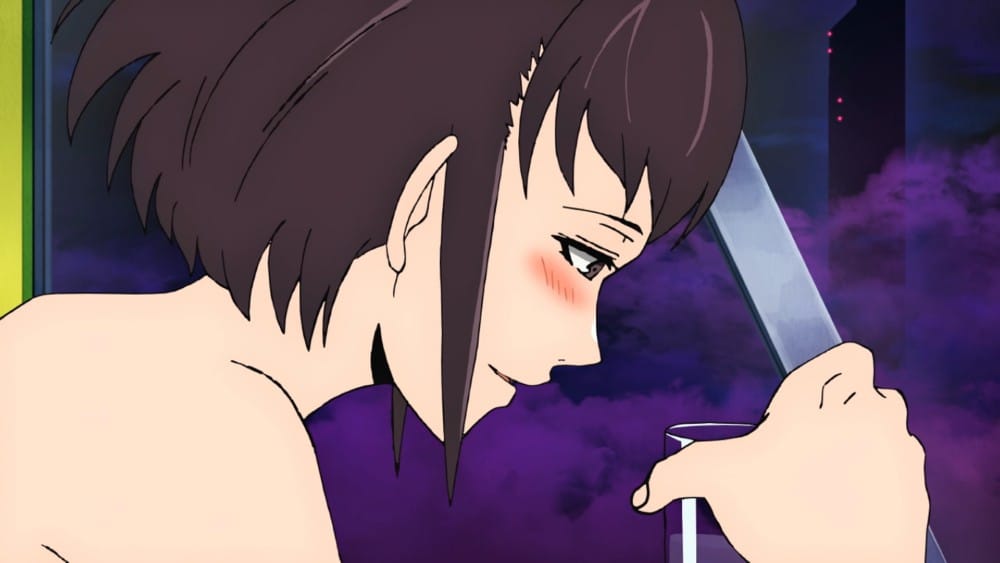
OK. We’re here. It’s time to discuss THAT SCENE. I’ve been holding my tongue for months, and I’ll really break it down in two weeks, but for now I can finally address this fact: the “Tower of God” fandom hates Rachel. They absolutely hate this character. I cannot for the life of me understand how her actions here warrant that level of vitriol. I can also address what THAT SCENE is: Rachel has been faking needing her wheelchair and pushes Bam out of the sphere, apparently killing him.
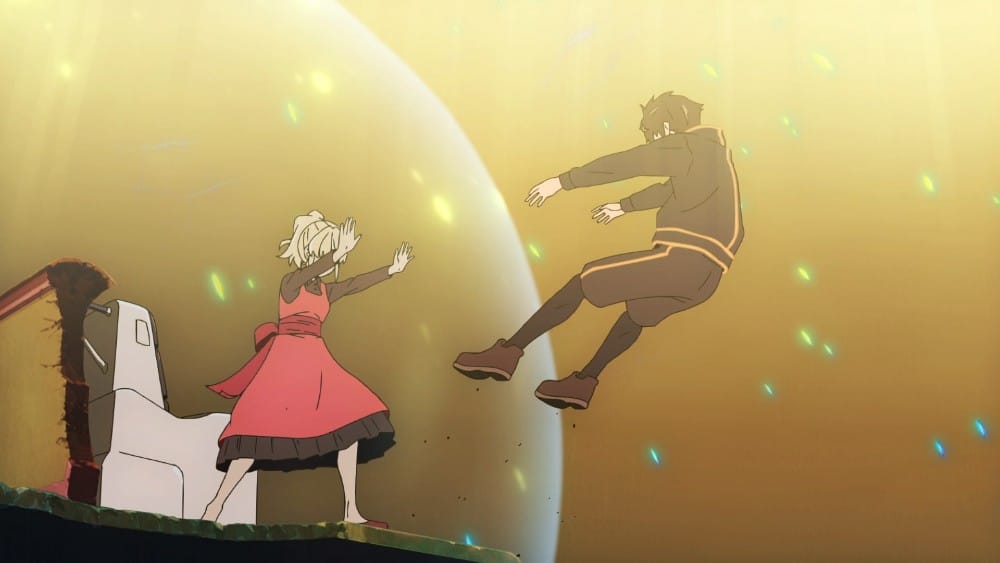
This scene plays out essentially the same in both “Tower of God” and Tower of God so it’s hard to compare the two but Tower of God sells Bam’s weakness after his fight with The Bull much better, making the betrayal more impactful and acute. The lack of “I’m sorry” also makes it seem more sinister in the show. Where I think “Tower of God” succeeds, however, is in the inclusion of a framing scene at the start of the chapter. It reframes Rachel & Bam’s relationship by showing the stratification between the two of them that isn’t present in any of the others, giving a greater understanding of why Rachel might push Bam off the sphere. She sees him not as an equal but as a pet and now she feels he’s moving above her, moving beyond her, and this scares and angers her.
She saved him, he should not be saving her. She is not the helpless one. She is the center.
She is the star.
In two weeks, “Tower of God” and the end of season one. See you then.
Last Episode
 Elias Rosner